Corneal Tattooing

Specialised corneal tattooing to improve the appearance of a cloudy, scarred, or discoloured eye with personalised care and precision.

Book Appointment
Corneal Tattooing
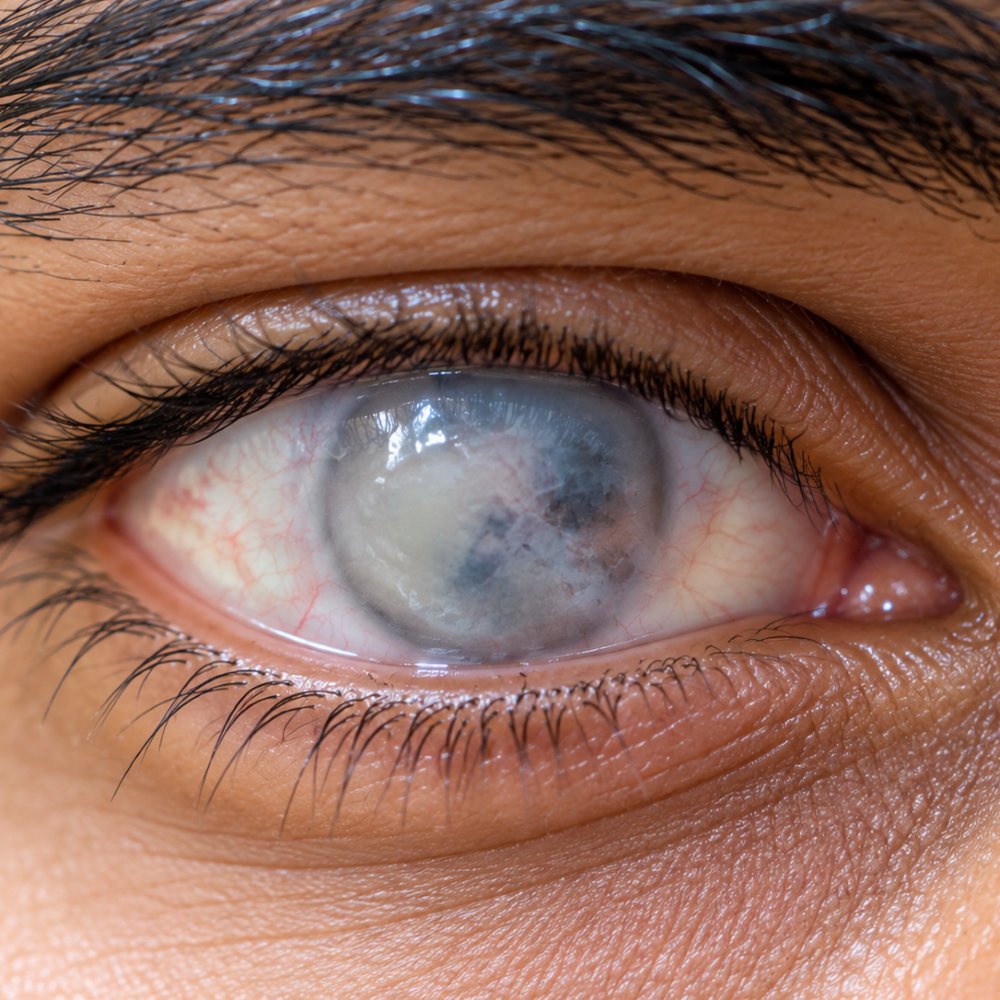
Close-up of a clouded, scarred cornea of the kind corneal tattooing treats
Corneal Tattooing

Understanding Corneal Tattooing

Corneal tattooing, also known as keratopigmentation, is a specialised procedure used to improve the appearance of a cornea affected by scarring, opacity, or significant discolouration.

The procedure involves carefully placing medical-grade pigment within the corneal tissue to create a more natural-looking appearance. It may be considered when the affected eye has a noticeable cosmetic difference and other treatment options are not suitable.

Our Treatment Approach

Corneal Tattooing

01

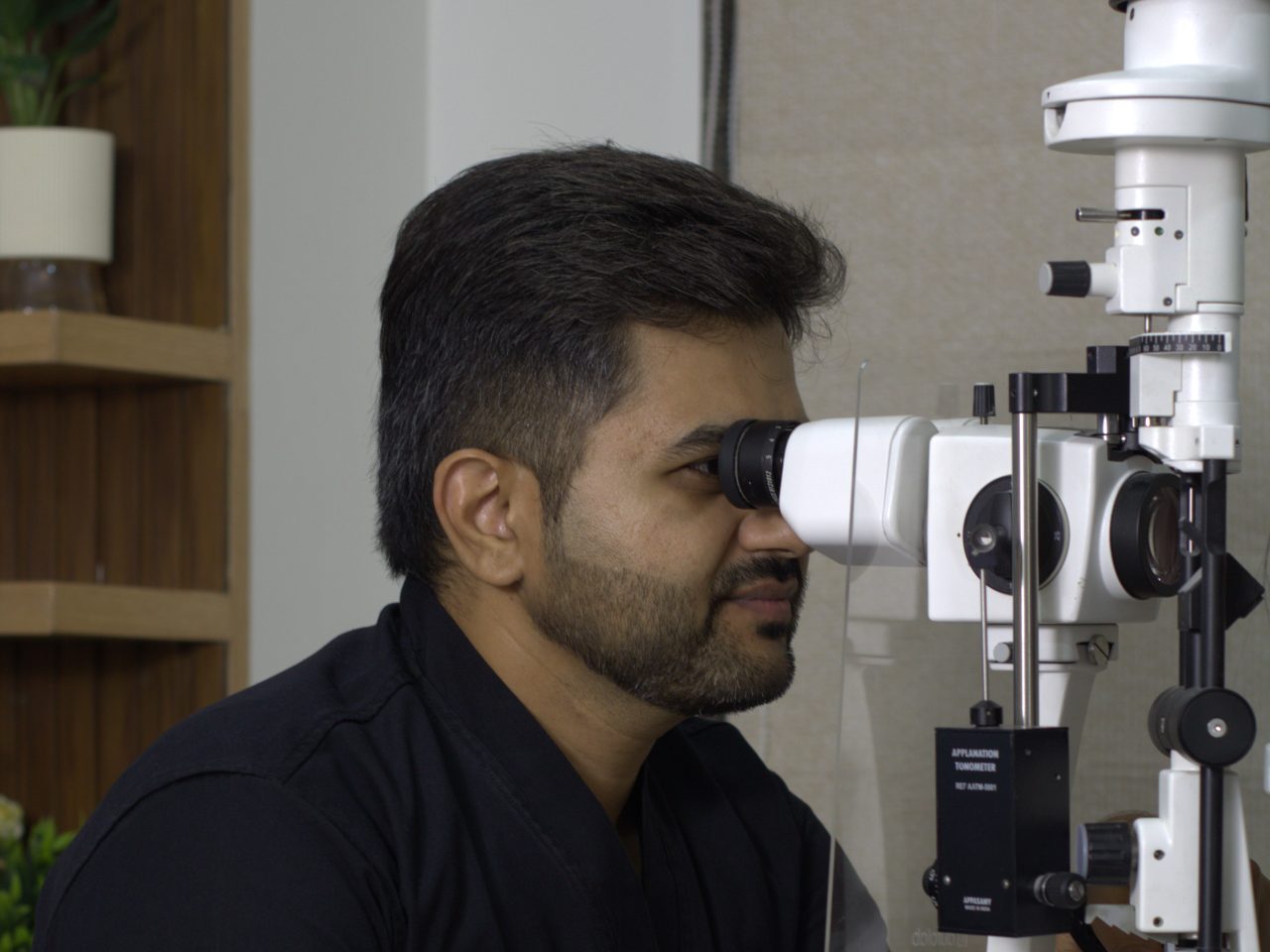
Eye Assessment

A detailed examination of the eye helps us understand the condition of the cornea, previous treatments, and your individual concerns.

Patient Stories

What Our Patients Say

Ananya

"The entire LASIK consultation was clear, calm, and extremely professional. I felt confident from the first visit."

- Ananya, Software Engineer

Rohan

"Dr. Sahil explained every cornea treatment option in a way that was easy to understand. The care felt very personal."

- Rohan, Entrepreneur

Meera

"My dry eye symptoms improved more in weeks here than they had in months elsewhere. The treatment plan was spot on."

- Meera, Teacher

Arvind

"From diagnosis to surgery planning, everything around my corneal transplant case was handled with confidence and precision."

- Arvind, Retired Banker

Sana

"The clinic feels modern, organized, and reassuring. I finally found a specialist I trust for long-term eye care."

- Sana, Designer

Karan

"ICL screening was thorough and honest. I appreciated that the recommendation was based on what was safest for me."

- Karan, Consultant

Priya

"Every follow-up was smooth and attentive. I never felt rushed, and all my concerns were answered properly."

- Priya, Architect

Frequently Asked Questions

Common questions about corneal tattooing, who it suits, how the procedure works, and what recovery involves.

Corneal tattooing, or keratopigmentation, is a specialised procedure in which medical-grade pigment is placed within the cornea to improve the appearance of an eye affected by scarring, opacity, or discolouration.
Corneal tattooing is primarily performed to improve the cosmetic appearance of an eye when a corneal scar, opacity, or other condition causes a noticeable difference in appearance.
Corneal tattooing is generally a cosmetic procedure and is not intended to restore vision. The expected outcome depends on the underlying eye condition and should be discussed during a detailed consultation.
People with certain corneal scars, opacities, or significant corneal discolouration may be considered for the procedure. A comprehensive eye examination is required to determine suitability.
The procedure is performed with appropriate anaesthesia and measures to maintain patient comfort. Some discomfort, irritation, or sensitivity may occur during the recovery period.
The treatment time can vary depending on the condition of the cornea, the technique used, and the extent of pigmentation required. Your ophthalmologist can provide a more specific estimate after examination.
Recovery varies from person to person. Your eye may experience temporary redness, irritation, watering, or light sensitivity after the procedure. Follow-up appointments help monitor healing and the treatment outcome.
The treatment is carefully planned to achieve a natural-looking appearance. Pigment selection and placement are customised according to the appearance of the other eye and the condition of the treated cornea.
In selected cases, corneal tattooing may be considered following an injury, surgery, or other condition that has resulted in a visible corneal opacity or discolouration. Suitability depends on the condition and stability of the eye.
Some patients with stable corneal scarring may be candidates for corneal tattooing. A detailed examination is necessary to assess the scar, corneal health, and whether the procedure is appropriate.